
Exploring Food and Tradition Across the Globe
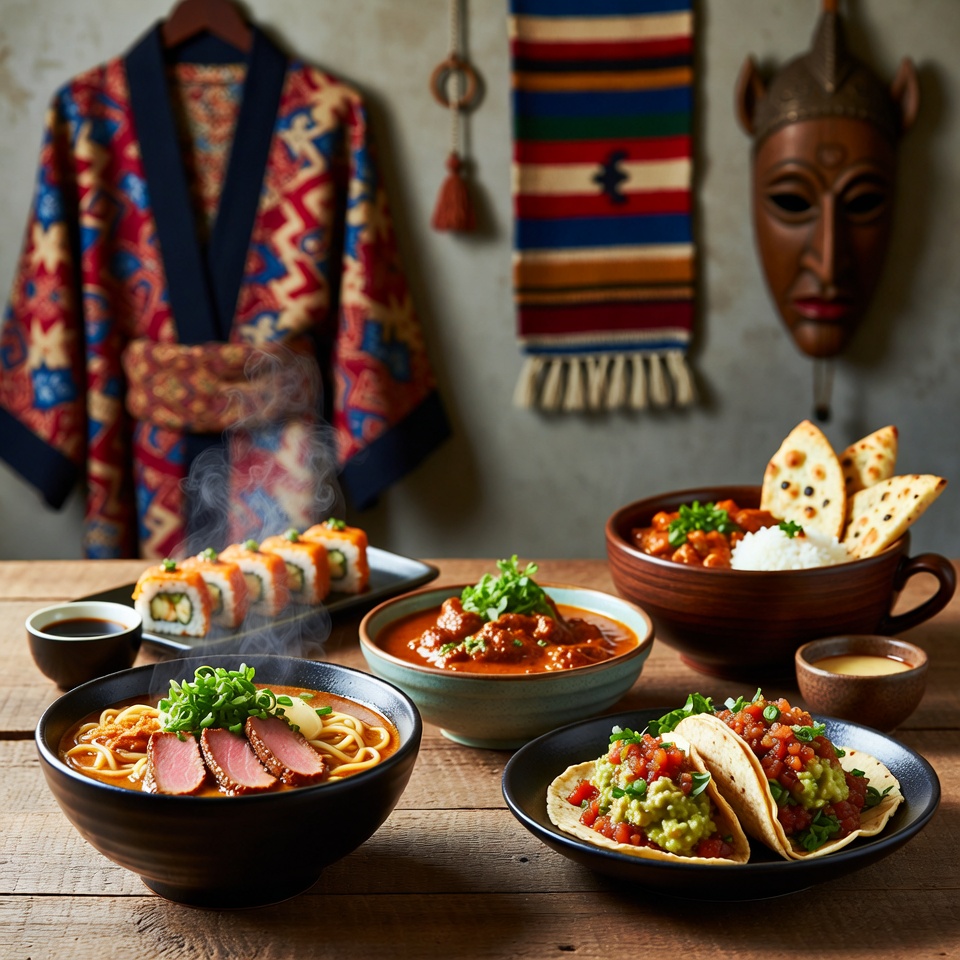
Food is never just sustenance; it is a story. Every bite you take across the world reveals centuries of history, resilience, and unique cultural identity. I always believe that to truly understand a location, you must sit at their table and share their meal. I travel the globe seeking these authentic connections, watching how people prepare, share, and celebrate their daily bread. Let’s dive deep into the heart of global food traditions, uncovering the rituals that shape our planet’s culinary landscape and enriching our travel experiences.
The Soul of a Place: Where Recipes Meet History
When we talk about tradition, we discuss identity. National dishes evolve not only from available ingredients but also from historical movements, religious rules, and climate necessities. These recipes pass down through generations, becoming living documents of heritage. You witness history in motion when a grandmother teaches her recipe to her grandchildren.
Italy: The Art of Communal Eating
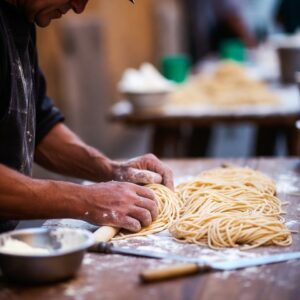
In Italy, food is love, ritual, and conversation, often served simultaneously. Sunday lunch transforms into a non-negotiable family gathering. Everyone sits together, savoring hours-long meals built around homemade pasta. You do not rush this meal; you absorb it. I watched a Sarda family prepare malloreddus (Sardinian gnocchi) by hand. Their rhythmic movements spoke volumes about patience and precision, reinforcing their commitment to community over convenience.
Japan: Ritual and Respect in Washoku
Japan’s approach to cuisine, known as washoku, demands incredible respect for ingredients and aesthetic balance. This tradition emphasizes seasonal products, ensuring peak flavor and sustainability. Chefs handle ingredients with meticulous care, crafting dishes that please the eye as much as the palate. The simple, elegant presentation mirrors the quiet reverence found in the tea ceremony. You see the deep connection between mindful cooking and spiritual practice, elevating the act of eating to an art form.
Festivals of Flavor: Celebrating Global Food Traditions
Tradition comes alive most vibrantly during major cultural festivals, where food transforms from daily necessity into symbolic offering. These celebrations showcase the richest, most complex flavors a culture offers, tying together faith, family, and feasting.
Mexico’s Day of the Dead Bread
Every November, Mexico celebrates Día de Muertos, a profoundly spiritual occasion. Families bake Pan de Muerto, a sweet, round loaf often flavored with anise and orange blossom water. This bread is not merely dessert; it represents the deceased, frequently featuring bone-like structures sculpted onto the dough. By sharing this bread, you honor ancestors and reinforce the cyclical nature of life and death, tasting both sweetness and solemnity in every piece.
India’s Holi: Sweets and Community
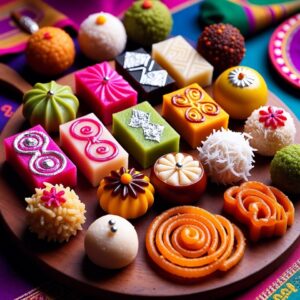
During Holi, the Festival of Colors, India explodes with joy, color, and, crucially, flavor. The tradition dictates the preparation of specific sweets and savory snacks to share with neighbors, signifying the renewal of relationships and the triumph of good. When you share gujiya (sweet dumplings) and thandai (a spiced milk drink), you actively participate in dissolving social barriers. I found the sheer generosity and shared happiness intoxicating.
Key Holi Food Traditions:
- Preparing large batches of Gujiya (sweet coconut/nut-filled pastries).
- Mixing Thandai, often infused with nuts and spices.
- Exchanging plates of savory Samosas and sweets with friends and strangers.
- Observing rituals that prioritize sharing and forgiveness over personal consumption.
Sustainable Practices and Ancient Wisdom
Many of the oldest global food traditions inherently embrace sustainability and resourcefulness. Before industrial farming, communities needed to preserve food, maximize resources, and utilize every scrap. These ancient techniques now teach us valuable lessons about modern ecological awareness.
Look at fermentation. Cultures from Korea to Germany mastered methods to preserve vegetables and dairy for the long winter. Korean kimchi, a staple made from fermented cabbage, not only preserves nutrients but also fosters gut health. When you watch a family perform kimjang, the traditional annual process of making large quantities of kimchi, you observe community labor focused on ensuring year-round sustenance. They respect the cycle of the seasons and value collective effort, vital lessons we must carry forward.
Conclusion: Taste the World, Respect the Table
Traveling through your taste buds offers the most authentic gateway to understanding a culture. Food connects us all—it transcends language barriers and political differences. When you seek out and appreciate global food traditions, you do more than just eat well; you actively participate in cultural preservation. I urge you to approach the table with curiosity, ask about the history of the dish, and respect the rituals surrounding it. You enrich your own life by experiencing others’ traditions, one delicious bite at a time. Start planning your next culinary adventure and let the world’s kitchens tell you their stories.
Leave a Reply